Create a case
Refine Your Prosthesis
Video
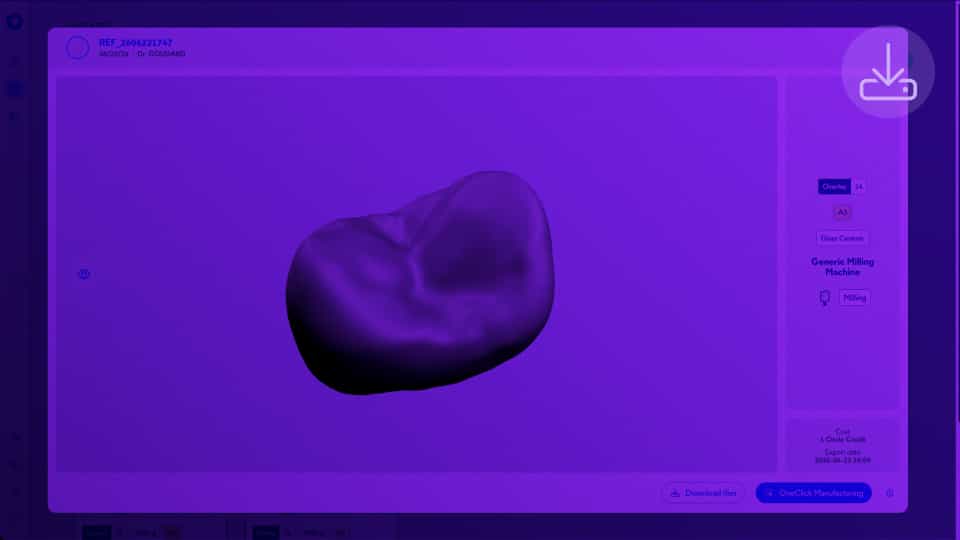
Circle One generates a prosthetic proposal in under a minute. Navigate the 4 design sub-steps, adjust where needed, then validate and launch the export.
Design
Related Articles
Video
Step - Plan
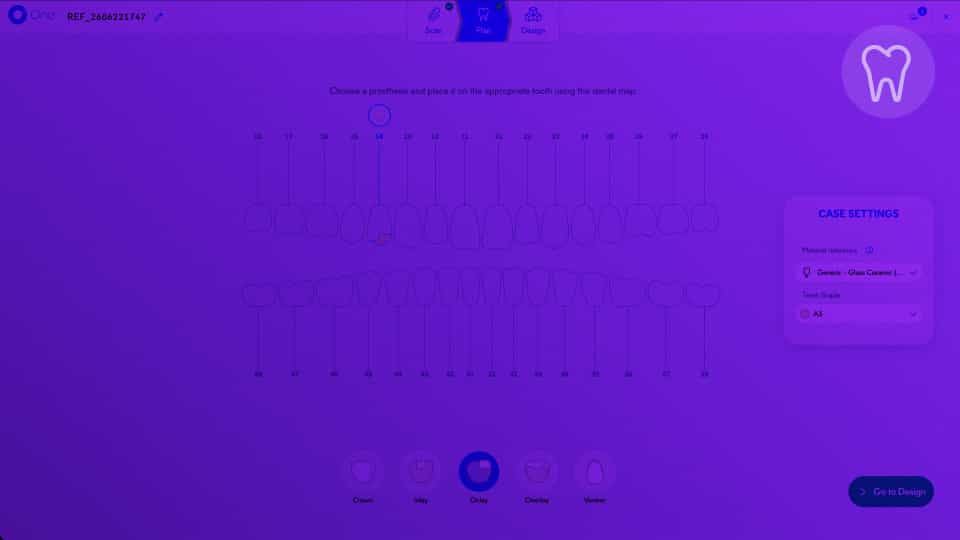
Select the prosthesis type, choose the target tooth on the dental map, confirm material and shade, then launch the design.
Learn more
Video
Step - Scan control
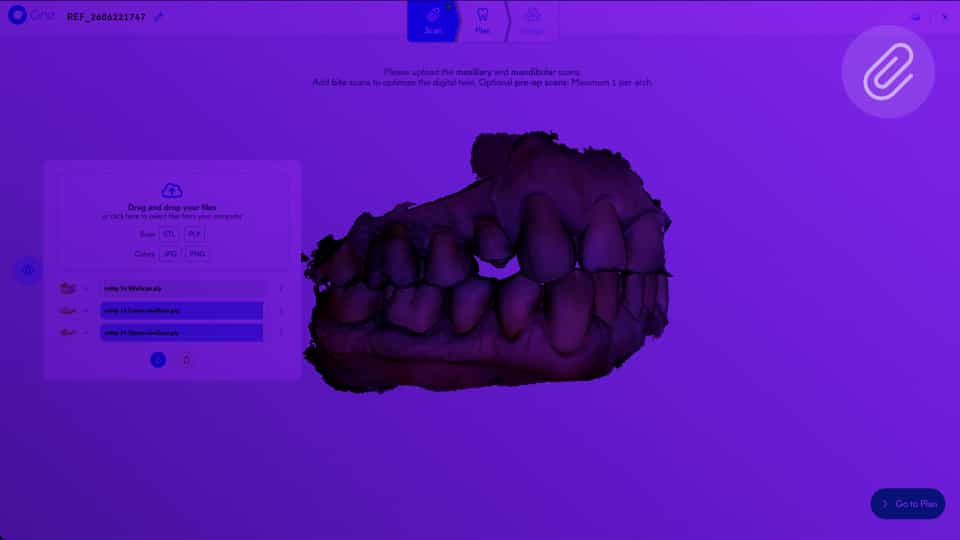
View and manage your scanned files using the viewer.
Learn more

Frequently Asked Questions

My case is stuck while loading the Design stage.
Design
+

If your case is stuck while loading the Design stage (for example, the loader is stuck at 40%), please check your network connection. If the problem persists, please restart your case from the beginning.

Why does my session end if I stay inactive during the Design step?
Design
+

If no activity is detected for a few minutes, the case automatically closes. This helps manage server load and keep Circle Credit costs optimized.

Can I go back during the Design step?
Design
+

Yes. You can use the undo/redo buttons available in the interface at any time.

Can I reopen and edit an existing design?
Design
+

Not yet. Your design cannot be saved at No, a validated design can't be reopened or edited. To start over from an existing case, use the dot menu on the case card and select "Create a new case from patient files": a new case is created with the same scans, letting you restart the design from scratch.

Can I modify the proposal? Is it safe to do so? How?
Design
+

Yes. You can freely adjust the automatic proposal using the available tools.
Thanks to our Collaborative AI, Circle One updates the model in real time and maintains key parameters such as: distance to adjacent and opposing teeth, insertion axis, minimum thickness, functional balance.

Every adjustment is simulated instantly, helping you keep a stable and reliable design as you refine it.

How is the automatic proposal calculated?
Design
+

The automatic proposal is generated by analyzing your scans and taking several key parameters into account, including tooth anatomy, occlusion, proximal contacts, minimum thickness requirements, and manufacturing constraints.

Our Collaborative AI maintains occlusal contacts, insertion axis, and functional balance in real time, helping you obtain a design that is both functional and easy to manufacture.